Product management is the process of defining, developing, launching, and managing a product or service. It is a cross-functional role that requires a deep understanding of the customer, the market, and the business. The three major areas of product management are discovery, planning and development with the primary focus on product and its customer.
The activities that take place in product management can vary depending on the specific product or service, but they typically include:
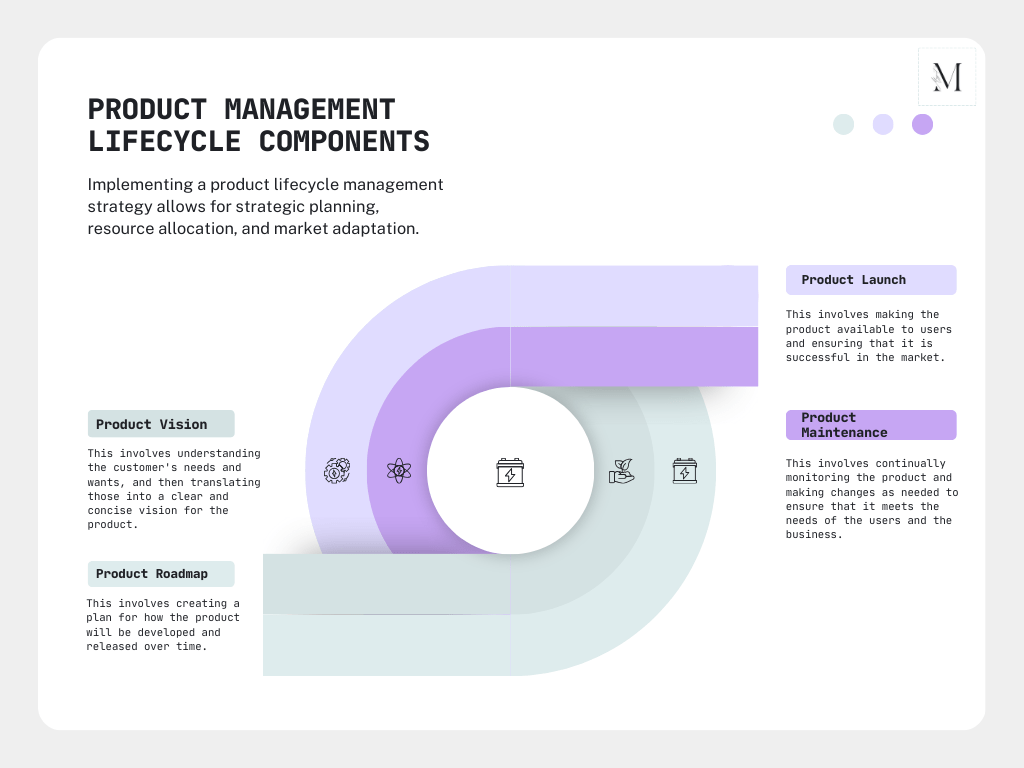
- Defining the product vision: This involves understanding the customer’s needs and wants, and then translating those into a clear and concise vision for the product.
- Developing the product roadmap: This involves creating a plan for how the product will be developed and released over time.
- Launching the product: This involves making the product available to users and ensuring that it is successful in the market.
- Managing the product: This involves continually monitoring the product and making changes as needed to ensure that it meets the needs of the users and the business.
Product management is important because it ensures that products are developed with the needs of the users in mind. It also helps to ensure that products are aligned with the business goals and that they are successful in the market.
Difference between Product Management and Project Management
In Product Management
- Focus: The focus of product management is on the long-term success of a product. This includes understanding the needs of the users, defining the product vision, and developing a roadmap for how the product will be developed and released over time.
- Responsibilities: The responsibilities of a product manager include:
- Defining the product vision
- Developing the product roadmap
- Gathering and analyzing user feedback
- Prioritizing features and tasks
- Working with engineers, designers, and other stakeholders to bring the product to life.
In Project Management
- Focus: The focus of project management is on the short-term success of a specific project under the broader product. This includes defining the project scope, creating a timeline and budget, and ensuring that the project is completed on time and within budget.
- Responsibilities: The responsibilities of a project manager include:
- Defining the project scope
- Creating a timeline and budget
- Assigning tasks to team members
- Monitoring progress
- Resolving issues
- Delivering the project on time and within budget
Example: Developing a Mobile App
A product manager is working on a new social media app. The product manager has defined the product vision as a “simple and easy-to-use app that allows users to connect with friends and family.” The product manager has also developed a product roadmap that includes features such as a newsfeed, messaging, and photo sharing.
A project manager is assigned to the project to manage the development of the app. The project manager defines the project scope as “the development of a mobile app that includes a newsfeed, messaging, and photo sharing.” The project manager also creates a timeline and budget for the project.
The product manager and project manager work together to ensure that the app is developed on time and within budget. The product manager provides the project manager with feedback on the app’s features and functionality, while the project manager keeps the product manager updated on the project’s progress.
The product manager will:
- Conduct market research to understand customer needs and identify opportunities for the app.
- Define the product vision, goals, and roadmap based on market research and business objectives.
- Gather requirements from stakeholders, including customers, operations team, and marketing team.
- Prioritize features and functionalities based on user feedback, market trends, and business impact.
- Work closely with project managers, designers, developers, and QA teams to ensure the product is built according to specifications and aligns with the overall vision.
- Continuously gather user feedback and monitor market trends to make iterative improvements and plan future enhancements.
- Collaborate with marketing and sales teams to develop go-to-market strategies, pricing models, and product positioning.
The project manager will:
- Define the project scope, objectives, and deliverables in consultation with the product manager and stakeholders.
- Develop a project plan, including timelines, resource allocation, and milestones.
- Coordinate and manage the project team, ensuring that tasks are assigned, progress is tracked, and deadlines are met.
- Monitor the project budget and adjust as necessary to ensure financial targets are achieved.
- Mitigate risks, identify potential bottlenecks, and implement contingency plans to keep the project on track.
- Facilitate communication and collaboration among team members and stakeholders, ensuring everyone is aligned and informed about project progress.
- Conduct regular project status meetings, provide updates, and address any issues or concerns.
 Maygnet