
Are cooking robots destined to take over our kitchens, or will they simply become new sous chefs in a collaborative culinary future?
The idea of robotic chefs whipping up gourmet meals seem like science fiction but the advancements in perception, motion planning, and gripper technologies are now blurring the lines between fiction and reality.The concept of cooking robots has gained traction due to the increasing demand for convenience, efficiency, and innovation in the culinary domain. From robot-assisted meal preparation in restaurants to automated kitchen appliances for home cooks, the landscape of cooking automation is evolving rapidly. Cooking robots are attracting significant research and development efforts since they have the potential to streamline kitchen operations, reduce labor costs, and enhance food safety and consistency.
However, replicating the full repertoire of a human chef remains a challenge.
As technological advancements continue to push the boundaries of automation, it’s natural to ponder upon the implications of integrating robots into the kitchen. The human touch in cooking goes beyond just mechanics. The ability to taste, adjust the seasoning on the fly, and invent new recipes based on intuition is an inherent human advantage. Cooking is an art form, a way to express love, culture, and tradition. The role of cooking as a cultural and artistic expression of identity and tradition could raise questions about the authenticity and the soulfulness of robot-prepared meals compared to those crafted by human hands.
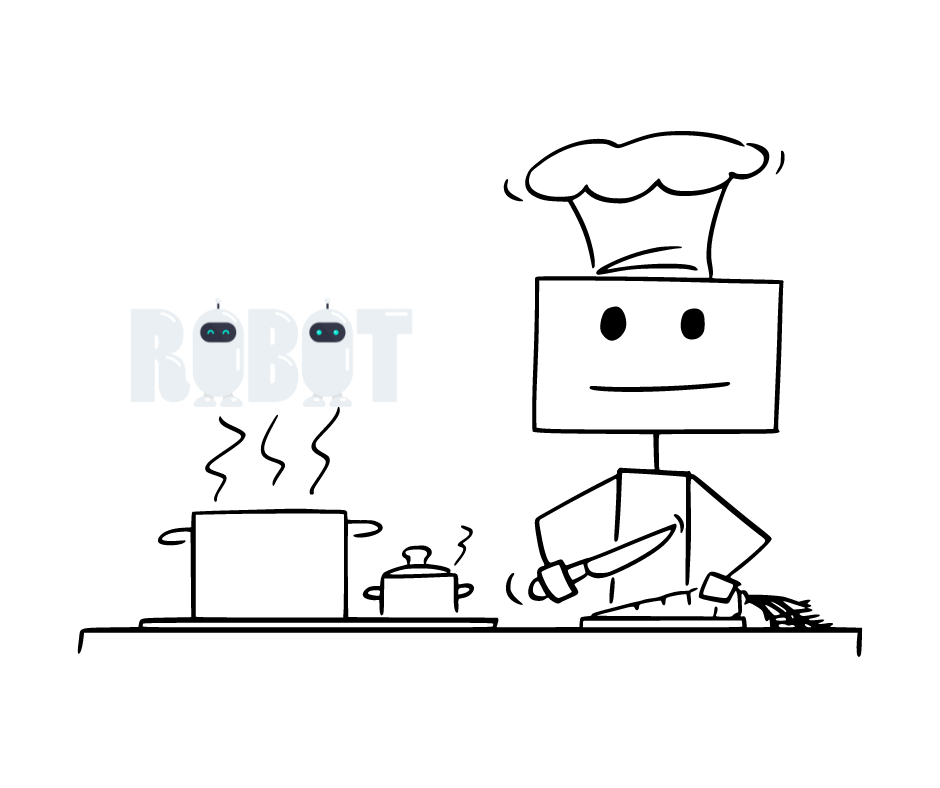
Cooking robots offer several potential benefits that warrant consideration. Robots equipped with advanced manipulation and motion planning capabilities can perform repetitive and labor-intensive cooking tasks with speed and precision, freeing up human chefs to focus on creative aspects of food preparation. They can be programmed to execute recipes with consistent precision, ensuring uniformity in taste, texture, and presentation across multiple servings. Repetitive tasks like burger assembly or French fry preparation could be efficiently handled by robots, potentially improving consistency and speed in high-volume settings. They can enable chefs and food innovators to explore new culinary techniques, new ingredients and flavor profiles. Automated cooking solutions have the potential to democratize access to quality meals by simplifying the cooking process for individuals with limited culinary skills or physical disabilities.
Despite the potential benefits, cooking robots present several challenges and considerations. Current cooking robots excel at tasks requiring precision and repetition. Advanced robotic arms can handle delicate maneuvers like slicing vegetables or stirring sauces. However, replicating the full repertoire of a human chef remains a challenge. The intricacies of food preparation, including ingredient selection, seasoning, and texture modulation pose challenges for robots to replicate the nuanced skills of human chefs accurately. Cameras and sensors can identify ingredients and objects, but replicating the human ability to assess texture, aroma, and doneness through sight alone remains a hurdle. Current robots struggle with unforeseen circumstances, requiring pre-programmed instructions for every step. Human chefs can adjust recipes on the fly, reacting to unexpected situations. Ensuring the safety and reliability of cooking robots in handling sharp utensils, hot surfaces, and delicate ingredients is paramount to prevent accidents and maintain food quality standards. The development, implementation, and maintenance of cooking robots entail significant upfront costs, limiting their accessibility to large-scale commercial kitchens and affluent consumers. Additionally, integrating these complex machines into existing kitchens presents logistical challenges.
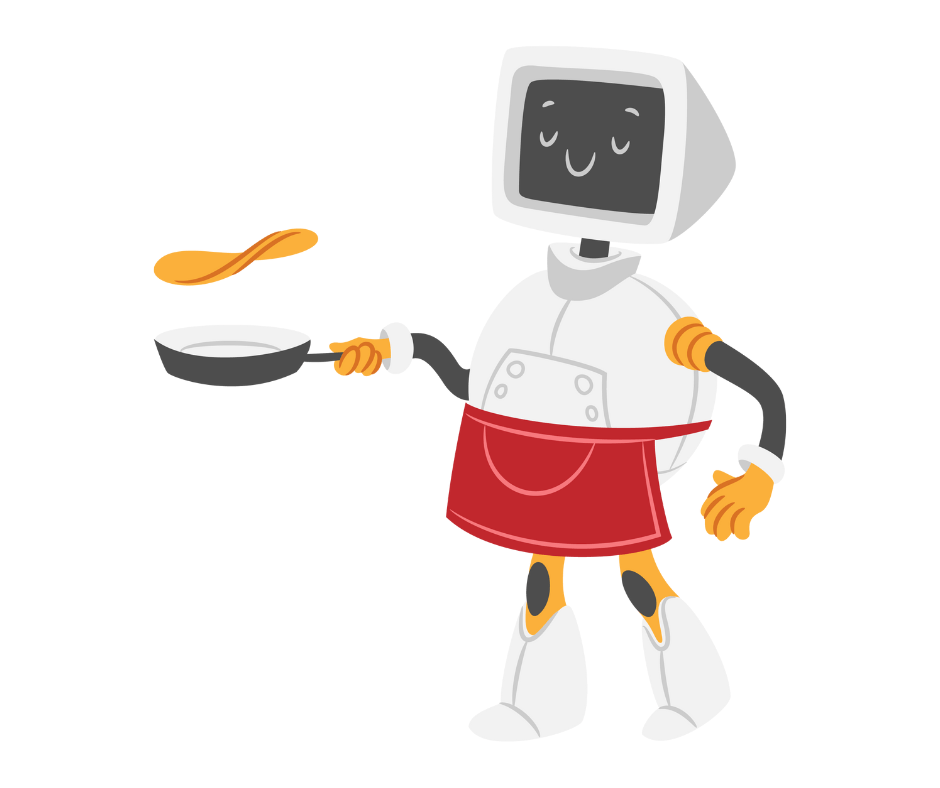
While the future of cooking robots remains uncertain, it’s clear that their integration into the culinary landscape will continue to evolve. Rather than viewing cooking robots as a replacement for human chefs, we should consider them as tools for augmenting and enhancing culinary creativity and efficiency. Collaborative approaches that combine human expertise with robotic automation hold the potential to unlock new possibilities in food preparation, customization, and accessibility. Robots can excel at specific tasks, but human chefs will remain essential for:
- Recipe Development and Flavor Creativity: The ability to experiment with flavors and personalize dishes is a uniquely human strength.
- Decision-Making and Adaptability: Responding to unexpected changes in cooking or adjusting recipes based on taste requires human judgment.
- The Art of Presentation: Plating with artistry is a skill that robots haven’t yet mastered.
Cooking robots are not about replacing human chefs. Instead, they have the potential to become valuable kitchen assistants, streamlining tasks and freeing chefs to focus on the artistry of cooking. This could lead to increased efficiency in the food service industry and offer new possibilities for assisted cooking at home. However, significant development is needed in areas like perception, adaptability, and cost-effectiveness for widespread adoption. The future of cooking robots is likely incremental, with gradual integration into kitchens, enhancing culinary experiences rather than replacing them.
Ultimately, the role of cooking robots in our kitchens is a choice we make. By embracing technology thoughtfully and prioritizing the human experience of food, we can create a future where robots enhance, rather than replace, the joy and creativity of cooking.
 Maygnet