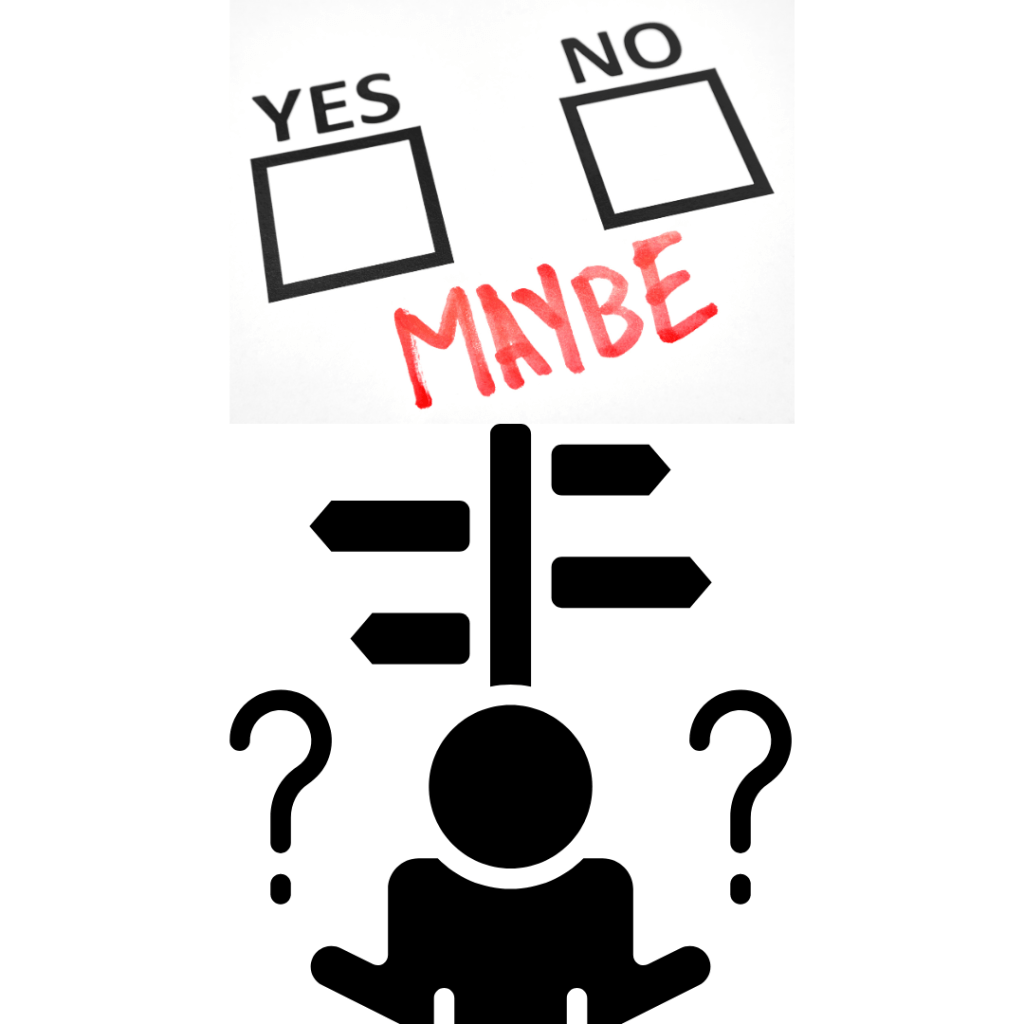
What is analysis paralysis?
Analysis paralysis (or paralysis by analysis) is a state where excessive analysis or overthinking prevents you from making a decision or taking an action. It refers to a state where individuals or organizations become overwhelmed by the abundance of information or choices available, leading to indecision or inaction. Organizations can get stuck in this loop when faced with a complex problem or a new opportunity. They might spend an inordinate amount of time gathering data, conducting meetings, and weighing every possible option, ultimately leading to inaction or missed opportunities. In essence, analysis paralysis can prevent progress and hinder productivity.
The basic idea has been expressed through narratives several times. Luckily, wise storytellers from the past have captured this tendency in fables that continue to resonate even today.
1. The Fox and the Cat:

This timeless Aesop fable tells the story of a cunning fox and a resourceful cat who are chased by a pack of hounds. The fox boasts of having “hundreds of ways to escape,” while the cat simply states she has “only one.” When the hounds approach, the cat swiftly climbs a tree, finding safety. The fox, overwhelmed by his supposed multitude of options, hesitates and is unable to decide on the best escape route. Ultimately, the fox in his confusion is caught up by the hounds.
This fable perfectly illustrates the dangers of analysis paralysis. The fox represents the individual or organization suffering from analysis paralysis, while the cat symbolizes those who focus on a single, straightforward solution. The fox’s overconfidence in having numerous escape plans reflects the tendency to become overwhelmed by an abundance of options, leading to indecision and inaction.
In the context of analysis paralysis, the fox’s mindset mirrors the state of being overwhelmed by the complexity of decision-making. Like the fox, individuals or organizations may become paralyzed by the multitude of choices available, leading to hesitation and an inability to take decisive action. Like the cat, it is better to have a clear, straightforward plan of action than to be overwhelmed by complexity and uncertainty.
A single well-defined course of action is better than a multitude of uncommitted possibilities.
2. Buridan’s Ass:

This philosophical thought experiment, often attributed to Jean Buridan, depicts a hungry and thirsty donkey who finds itself equidistant between two equally appealing stacks of hay and water. Unable to decide which to prioritize, the donkey stands still, unable to choose between the two options. Ultimately, the donkey dies of hunger and thirst, as it is unable to make a decision.
Buridan’s Ass represents the state of indecision that arises when faced with two equally desirable options. The donkey’s paralysis stems from its inability to prioritize one option over the other, resulting in fatal consequences. Since the paradox assumes the donkey will always go to whichever is closer, it dies of both hunger and thirst since it cannot make any rational decision between the hay and water. While not a traditional fable, Buridan’s Ass highlights the absurdity of overthinking a simple choice. Sometimes, overanalyzing a situation can lead to inaction, even when faced with basic needs.
This fable serves as a cautionary tale about the importance of making decisions, even when faced with uncertainty. While it is natural to weigh options and consider various factors, excessive deliberation can lead to paralysis and ultimately prevent progress. According to Edward Lauzinger, Buridan’s ass fails to incorporate the latent biases that humans always bring with them when making decisions. Individuals or organizations must learn to prioritize and take decisive action to avoid succumbing to analysis paralysis.
Both the fables serve as cautionary tales and remind us that:
- Action is often better than inaction: Even an imperfect choice can be preferable to no choice at all.
- Focus on what matters: Don’t get bogged down in overthinking minor details. Prioritize the most important factors and make a decision.
- Don’t be afraid to commit: Sometimes, the best course of action is to choose a direction and learn from the experience.
Organizational failures due to analysis paralysis
Analysis paralysis can severely impact an organization’s ability to innovate, adapt, and thrive in a competitive market.
Missed Market Opportunities: A company might spend years researching and refining a new product concept, only for a competitor to launch a similar product first and capture market share. This could be due to an overemphasis on getting every detail perfect instead of prioritizing a quicker launch.
Product Development Delays: An organization might get bogged down in endless discussions about features, specifications, and target markets for a new product. This could lead to delays in development and missed deadlines, putting them behind schedule and potentially impacting sales and growth.
Internal Project Stalls: Teams tasked with implementing internal projects like process improvements or software rollouts might get stuck in analysis paralysis. This could involve overthinking workflows, endlessly gathering employee feedback, or fearing potential disruptions without a clear plan to mitigate them.
Kodak, once a dominant player in the photography industry, faced a critical juncture when digital photography began to emerge. Despite inventing the first digital camera in 1975, Kodak’s management feared cannibalizing their lucrative film business. Competitors like Canon, Sony, and Nikon aggressively pursued digital photography and by the time Kodak shifted focus, it was too late. BlackBerry was a pioneer in mobile email and enterprise communication but faced challenges with the rise of touchscreen smartphones. The company’s leadership deliberated about moving away from their physical keyboard design and proprietary operating system which delayed their response to touchscreen technology and app ecosystems. BlackBerry’s market share rapidly declined as consumers and businesses adopted iPhones and Android devices. The company eventually shifted focus away from hardware to software and services, but it never regained its former dominance. Blockbuster was a giant in the video rental industry but struggled with the shift to digital streaming and online rentals. Netflix and other streaming services capitalized on the digital shift, leading to Blockbuster’s bankruptcy in 2010.
How SWOT Can Prevent Analysis Paralysis
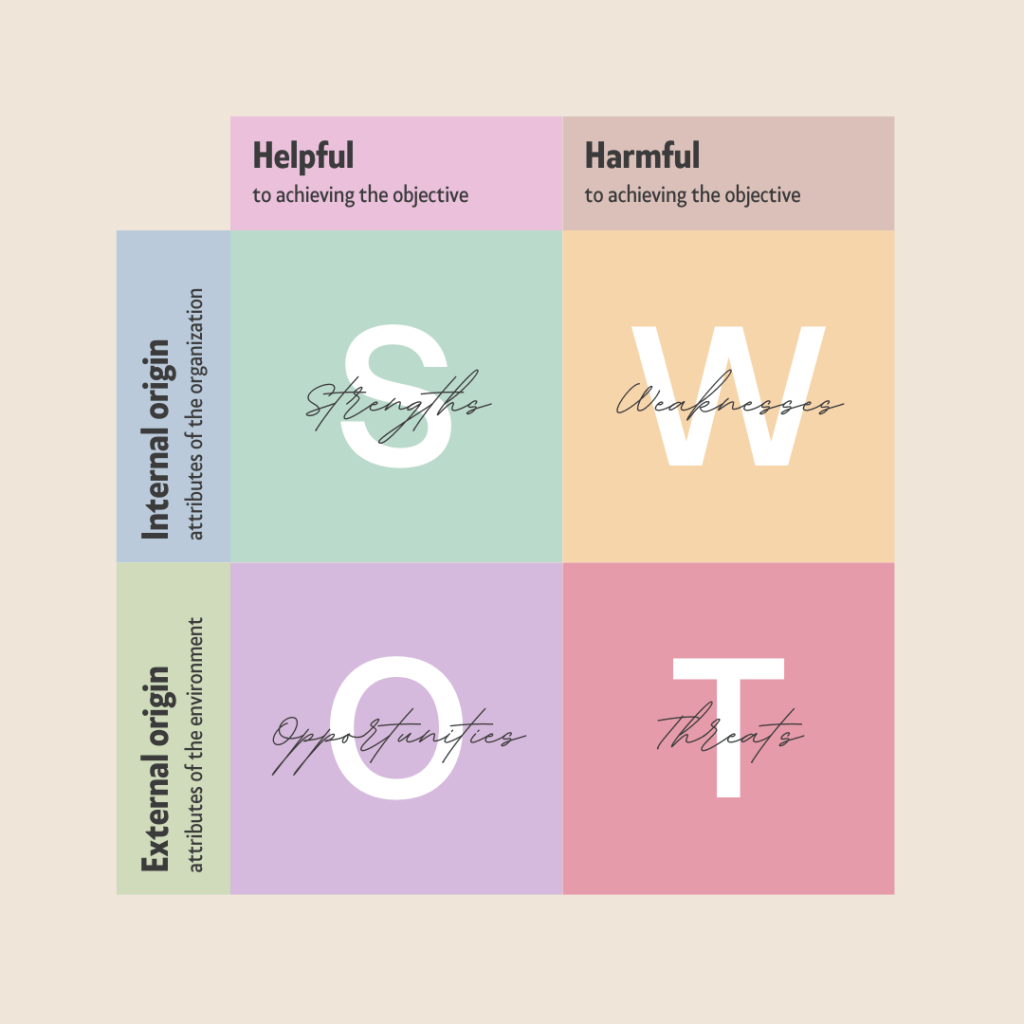
A SWOT analysis is a powerful tool to combat analysis paralysis by providing a structured framework for decision-making. It encourages organizations to focus on the most critical factors affecting their business: strengths, weaknesses, opportunities, and threats. It forces organizations to identify the most critical internal and external factors impacting their situation which prevents them from getting bogged down in irrelevant details. By categorizing factors as strengths, weaknesses, opportunities, and threats, organizations can prioritize areas that need the most attention. This helps move the discussion from general problems to actionable steps. SWOT analysis is often conducted collaboratively, involving input from various stakeholders within the organization. This collaborative approach fosters engagement and buy-in from team members and ensures that decisions are well-informed and supported by consensus.
Read more on SWOT : https://maygnet.com/2024/05/08/unveiling-product-potential-the-power-of-swot-analysis-in-product-management/
To avoid pitfalls of analysis paralysis, organizations should:
- Foster a Culture of Decisiveness: Encourage timely decision-making and reduce bureaucratic hurdles.
- Empower Leaders: Give leaders the authority to make decisions and hold them accountable for outcomes.
- Embrace Change: Recognize that change is inevitable and necessary for growth. Be willing to disrupt your own business before competitors do.
- Prioritize Customer Needs: Focus on understanding and meeting customer demands rather than getting stuck in internal deliberations.
- Adopt Agile Practices: Implement agile methodologies to iterate quickly and adapt to market changes.
By addressing analysis paralysis proactively, organizations can enhance their agility, innovate effectively, and maintain competitive advantage.
 Maygnet