Summary : Neuro Linguistic Programming (NLP) highlights individuals’ varied sensory preferences in processing information. By assessing language, recalling experiences, and observing eye movements, one can identify their dominant representational system. Despite skepticism regarding its scientific validity, NLP blends psychological theories and explores personal development’s future amid ongoing debates about its legitimacy.
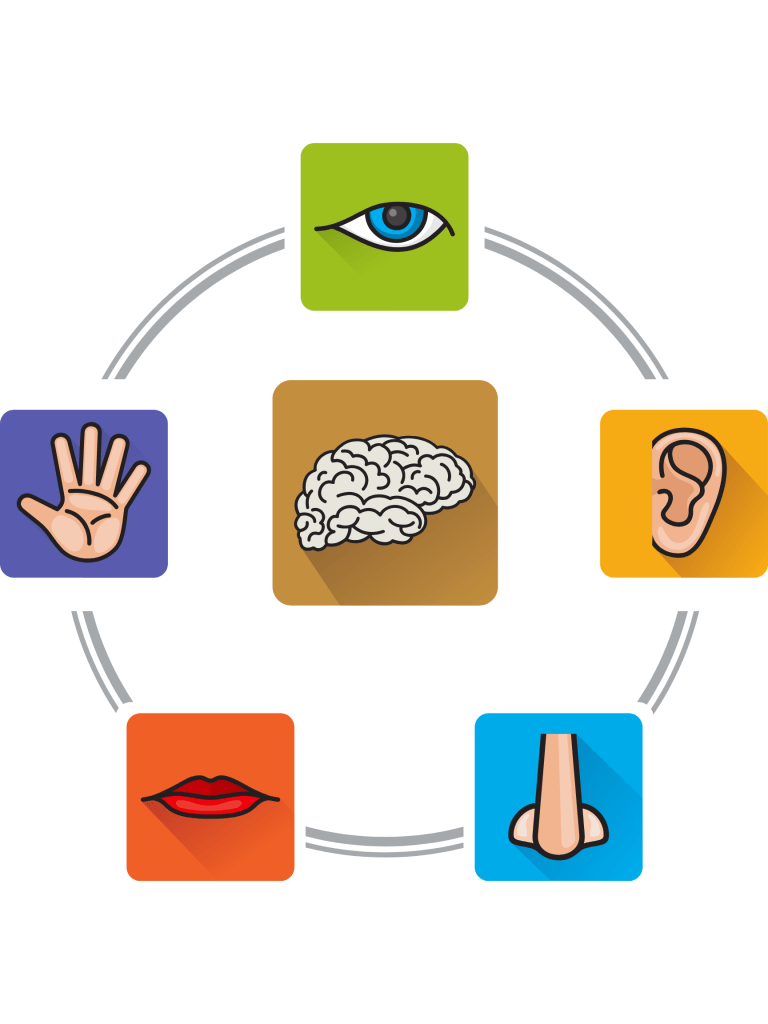
NLP suggests that people have different preferred ways of experiencing and describing the world. These ways are linked to our senses that make up our representational systems.
A “preferred representational system” refers to the sensory modality which a person most naturally uses to process information and experience the world.
More information on this is in the following video on Introduction to Neuro Linguistic Programming.
How can I identify my own preferred representational system
To identify your own preferred representational system, you can:
- Pay attention to the language you use. Notice if you frequently use words related to these modalities:
- You can take a self-assessment questionnaire designed to evaluate your representational system preferences.
- Observe how you tend to remember information:
- Do you recall images and visual details?
- Do you remember sounds, voices, or conversations?
- Do you recall feelings, sensations, or physical experiences?
- Notice your eye movements when thinking or recalling information. Visual thinkers often look up, whereas auditory thinkers tend to look to their sides, and kinesthetic thinkers would normally to look down and to the right.
- Consider how you learn best – Do you learn through visual aids, or by active listening, or by having hands-on experiences.
Remember that most people use a mix of representational systems, and your preference may vary depending on the context or situation.
It’s important to avoid labeling yourself strictly as one type and instead recognize the flexibility in how you process information.
The abbreviation used in NLP to represent the different representation systems is VAKOG.

While most of these systems are present in our map, one is usually more dominant than the other, although this is not the rule. The preferred sense(s) is known as the “lead system “.
Our Lead Representational System:
- Determines how we initially access and store information in our mind.
- It can be identified through eye accessing cues.
- It represents the preferred sense for bringing information from the unconscious to the conscious mind.
Primary Representational System:
- Refers to the dominant sensory mode used in external communication.
- Can be identified through the predicates (words) a person uses and their body language.
- May not always match the lead system.
Key differences:
- The lead system is about internal processing, while the primary system is about external expression.
- It’s possible to have different lead and primary systems. For example, someone might think visually (lead) but express themselves using kinesthetic language (primary).
- The lead system is more about how information is initially accessed, while the primary system is about how it’s typically communicated.
Psychological theories
Neuro-Linguistic Programming (NLP) draws upon several psychological theories and frameworks.
- Transformational Grammar (Linguistics) – NLP’s linguistic component draws heavily from Noam Chomsky’s work on transformational grammar, which examines how language structures influence thought. Grinder’s expertise in this area informed NLP’s emphasis on the role of language in shaping our internal and external realities.
- Cognitive Theory – NLP incorporates ideas from Rational Emotive Therapy (RET) and Rational Emotive Behavior Therapy (REBT), which emphasize the role of thoughts in driving human experience. These theories suggest that how we think affects our feelings and behaviors.Recent neuroscientific findings support NLP’s ideas about the complex interactions between perception, neural patterns, sensory representations, emotions,
- Subjectivity and Consciousness – NLP posits that people experience the world subjectively, creating internal representations involving the five senses and language. It also divides consciousness into conscious and unconscious components.
- Behavioral Psychology – NLP incorporates elements of behavioral psychology, focusing on how behavior can be modified by manipulating sensory-based subjective representations.
NLP views individuals as part of a larger system, influenced by their environment and relationships. This perspective aligns with systems theory, which examines how interconnected elements create a cohesive whole.
These theories and frameworks contribute to NLP’s approach to understanding and influencing human behavior and communication. However, it’s important to note that the scientific validity of NLP has been questioned by some researchers.
The Controversy Surrounding NLP
Despite its popularity, NLP has faced significant scientific scrutiny. Critics argue that its claims are often exaggerated. It lacks rigorous scientific validation which undermines its credibility. Advocates counter by emphasizing real-world results and pointing out that empirical research is beginning to validate some NLP techniques. The British Psychological Society has stated that it’s a serious error to think NLP is grounded in scientific findings – “Most of its claims lack empirical evidence.”
As we stand at the crossroads of psychology and technology, NLP remains a contentious topic. Is it a powerful tool for personal transformation, or a pseudoscience cloaked in scientific-sounding language? Can the principles of NLP be validated through rigorous scientific study? And how will the ongoing debate shape the future of personal development and therapy?
The Future of NLP
As we stand at the intersection of psychology and technology, the future of NLP remains uncertain. Will it evolve to meet the standards of scientific rigor, or will it continue to thrive in the realms of personal development and business coaching? The journey of NLP from a California university to a global phenomenon illustrates the enduring human fascination with the power of language and the potential of the mind. As we continue to explore the frontiers of cognitive science and artificial intelligence, the principles of NLP may yet find new applications and interpretations. In the end, NLP remains a testament to our quest to understand and optimize human potential. Whether viewed as a revolutionary approach to personal change or a pseudoscience in need of validation, its impact on popular psychology is undeniable.
 Maygnet