Tag: Products
-

Psychological Theories and Frameworks Behind NLP
Neuro Linguistic Programming (NLP) highlights individuals’ varied sensory preferences in processing information. By assessing language, recalling experiences, and observing eye movements, one can identify their dominant representational system. Despite skepticism regarding its scientific validity, NLP blends psychological theories and explores personal development’s future amid ongoing debates about its legitimacy.
-

The Origins and Timeline of Neuro Linguistic Programming (NLP)
NLP, created by Dr. Richard Bandler and Dr. John Grinder at the University of California, Santa Cruz in the 1970s, aims to decode patterns of excellence in human behavior. Their method, “modeling,” involves analyzing successful therapists to replicate techniques, which they detailed in their book series, The Structure of Magic.
-

From Aha to Action: Transforming Vague Issues into Clear Problem Statements
A clear problem statement is essential for effective problem-solving and project success. It encompasses the issue, its relevance, and the impact on the business. Techniques like the 5Ws and the “Five Whys” help define these statements. Ongoing refinement based on user feedback ensures alignment with evolving needs and maximizes innovation…
-
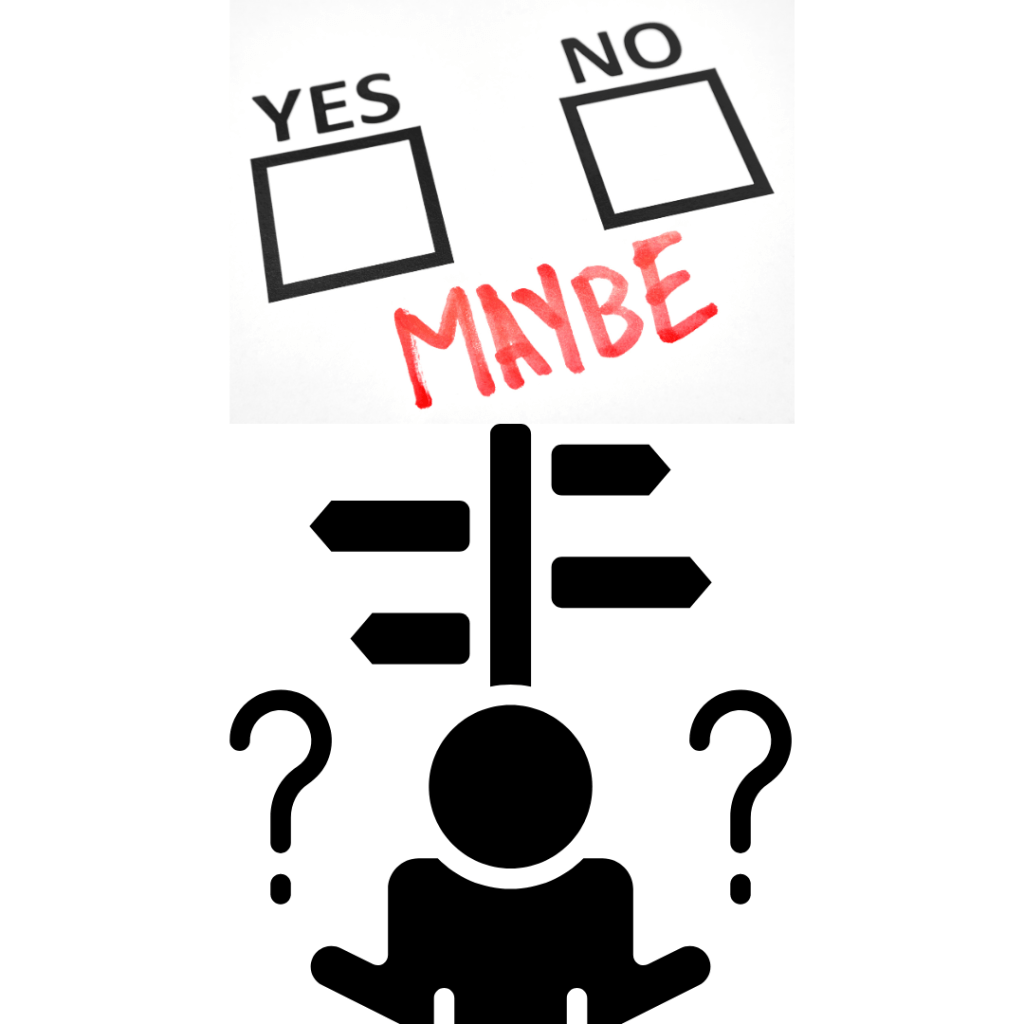
Analysis Paralysis: When Overthinking Hinders Progress
Analysis paralysis is a state of indecision caused by excessive overthinking, hindering progress and productivity. It is exemplified by the Aesop fable “The Fox and the Cat” and Buridan’s Ass paradox. Analysis paralysis can lead to missed opportunities and organizational failures, but can be mitigated by SWOT analysis and proactive…
-

Unveiling Product Potential: The Power of SWOT Analysis in Product Management
A SWOT analysis is crucial for product management, assessing strengths, weaknesses, opportunities, and threats. It guides decision-making, strategy development, and innovation. By leveraging strengths to capitalize on opportunities and mitigate threats, companies can effectively navigate the market. Revisiting the analysis regularly is essential for adapting strategies to changing market dynamics.
-
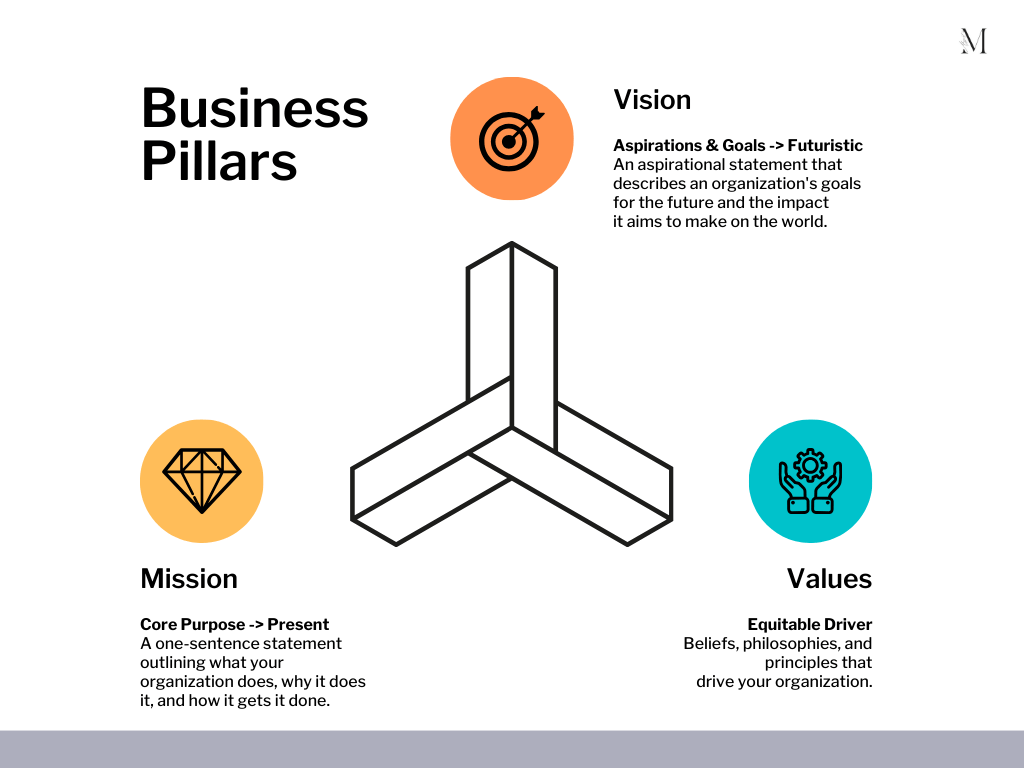
Vision, Mission and Value
A vision statement is an aspirational description of a company’s future impact and goals. Crafting one involves understanding the company’s mission, being aspirational, specific, memorable, relevant, achievable, time-bound, flexible, measurable, and aligned with core values. It should be reviewed regularly and can take on various forms. Vision statements are classified…
-
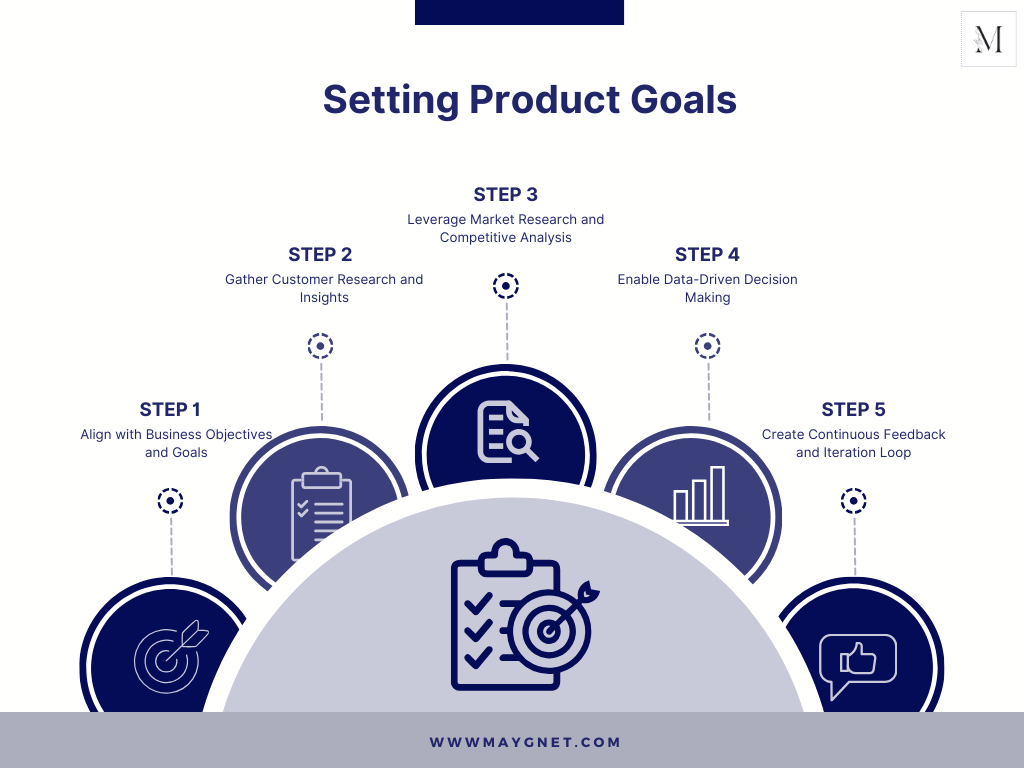
5 ways product managers can set the product goals
Product managers must set SMART goals aligned with business objectives, customer insights, competitive analysis, and data-driven decision-making. These goals should contribute to overall business success, address customer needs, stand out in the market, and be reviewed iteratively based on feedback for continuous improvement and relevance.
-
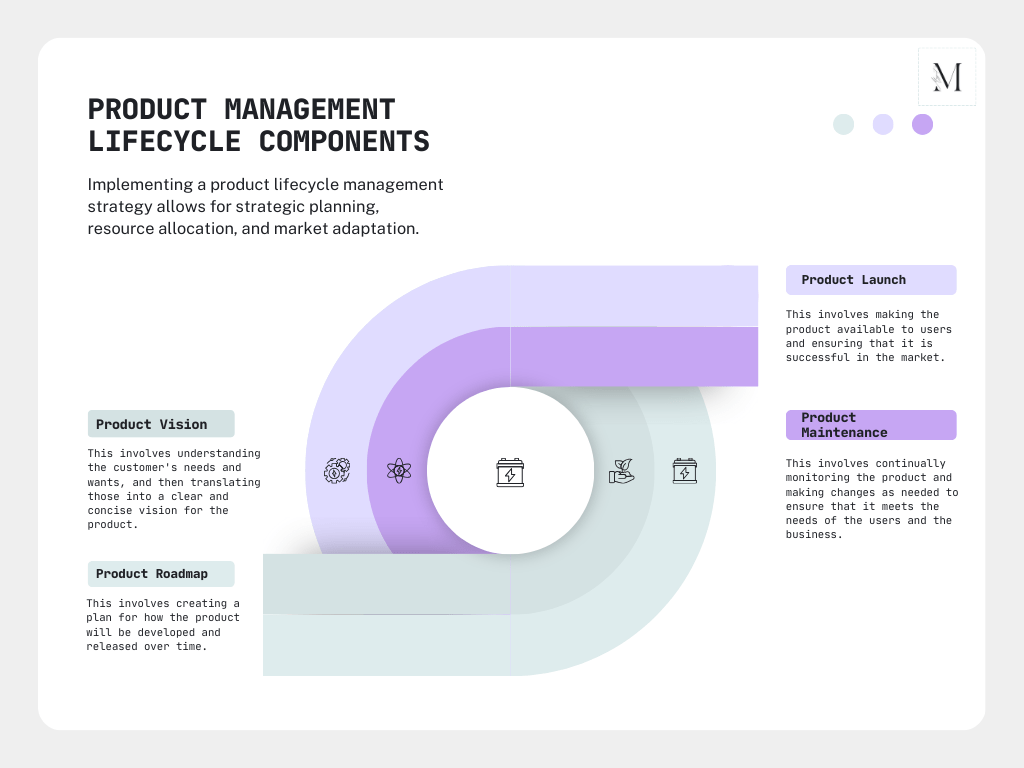
What is Product Management
Product management involves defining, developing, launching, and managing a product or service, focusing on customer needs and market success. It includes activities like defining the product vision, developing a roadmap, launching the product, and continual management. Different from project management, it has a long-term focus on the product’s success, while…
 Maygnet